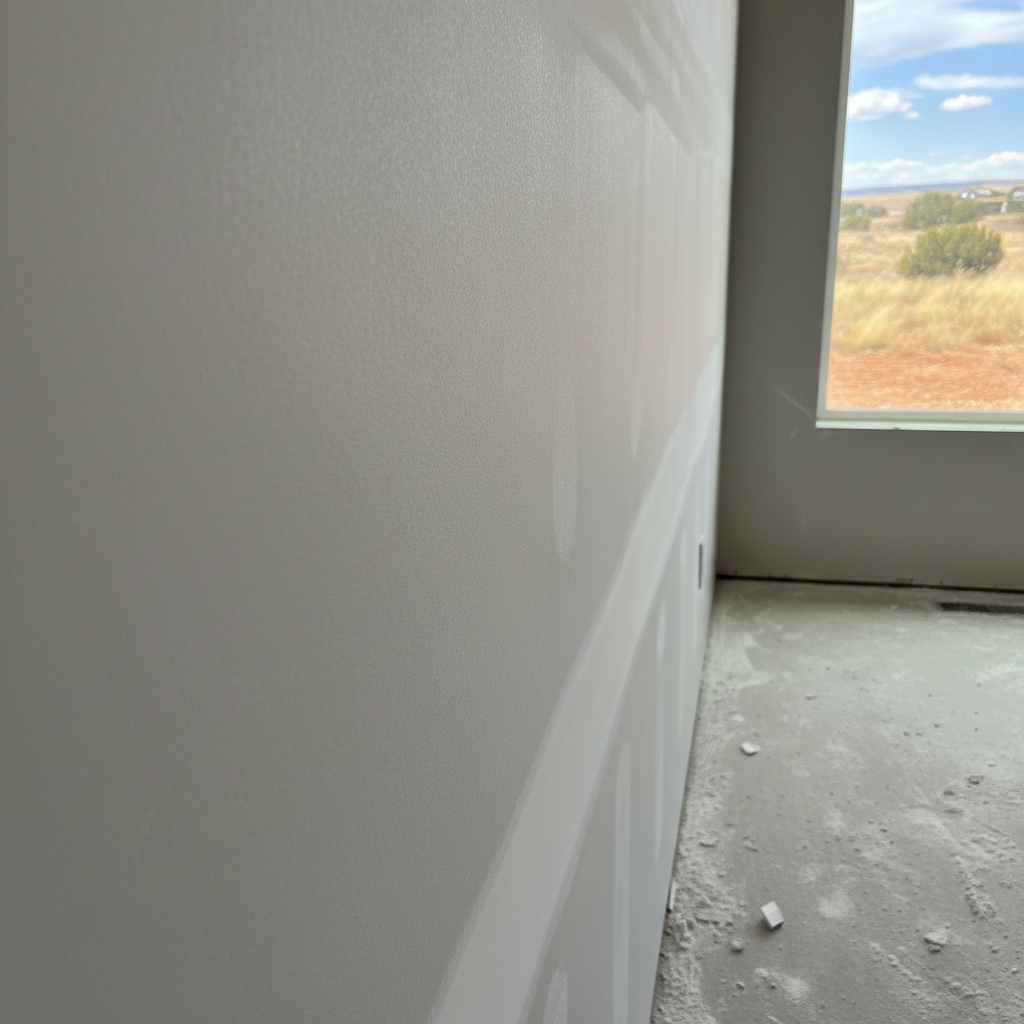
Alright, so you’ve got a project on your hands in South Jordan, maybe a basement finish in Daybreak or you’re redoing a room, and you’re staring down a stack of drywall sheets. The big question always pops up: can I do this myself, or should I just call someone? As the owner of Western Drywall Company, I’ve seen plenty of DIY attempts. Some turn out great, others… well, let’s just say they make for interesting stories.
Drywall isn't rocket science, no. But getting it right? That's definitely an art. Let's break down what you really need to know before, during, and after you start slinging mud.
Before You Even Think About Hanging a Sheet
First things first, planning is everything. You absolutely have to measure your space accurately. Don't just eyeball it, please. Grab a tape measure and write everything down. Think about where your studs are, where the electrical boxes will go, and any plumbing. You'll want to mark those spots on the floor or ceiling joists. That way, finding them once the drywall is up will be a breeze.
- Tools: You'll need a few essentials: a utility knife, a T-square, a drywall saw (for cutouts), a drill with a screw gun attachment, a sanding pole, and mud pans and knives. Don't cheap out on the knives, by the way; good tools really do make a difference.
- Material: Standard 1/2-inch drywall works fine for most walls. If you’re doing a ceiling, especially one with wider joist spacing, you might want 5/8-inch for better sag resistance. For bathrooms or other high-moisture areas, go with mold-resistant or green board.
- Safety: Seriously, wear eye protection and a good dust mask, especially when sanding. Drywall dust gets everywhere, and you definitely don't want to breathe that stuff in.
One thing I always tell folks here in South Jordan is to consider our climate. Our dry air means mud dries fast. That can be a blessing or a curse, depending on how you look at it. You just have to work efficiently, especially with your finishing coats.
Hanging the Drywall: The DIY Sweet Spot
This is where most homeowners can actually do a pretty decent job, especially on walls. It's physical work, no doubt, but it's pretty straightforward.
- Walls First, Then Ceilings: Always start with the ceiling if you're doing both. It's just easier to butt the wall sheets up to the ceiling sheets than the other way around. For ceilings, you'll absolutely want a drywall lift. Trying to hold those heavy sheets overhead while screwing them in is a recipe for a sore back and probably a few dropped sheets.
- Measure and Cut: Measure your sheet, score it with your utility knife, snap it, and cut the paper on the back. Simple enough. For outlets and switches, measure carefully, draw it on the sheet, and use your drywall saw.
- Screw It In: Use drywall screws, not nails. They hold better and prevent nail pops. Space them every 8 inches on the edges and 12 inches in the field. Don't sink them too deep – just below the surface so the mud can cover them, but not so deep you tear the paper.
Where people often run into trouble is trying to hang full sheets by themselves, especially on ceilings or oddly shaped walls. If you've got a buddy, that's a huge help. If not, consider renting a lift or asking a neighbor for some muscle. It's a lot easier than patching up holes from dropped sheets, trust me.
Taping and Finishing: Where Pros Shine
Now, this is the part where I often get calls from folks who started a DIY project and then realized they were in over their heads. Taping and mudding is where the magic happens, and it's also where amateur work really shows. This is the difference between a smooth, seamless wall and one that looks like a topographical map of the Wasatch Front.
- Taping: You'll apply a thin layer of mud, embed paper tape (or fiberglass mesh tape for repairs), and then put another thin coat right over the tape. The goal is to feather out the edges so it just blends seamlessly.
- Mudding: This usually takes three coats. The first coat fills the tape and screw holes. The second coat widens and smooths it out. The third, very thin finish coat, makes it perfect. Each coat needs to dry completely and be lightly sanded before the next one goes on.
- Sanding: This is the dustiest part. Use a pole sander with fine-grit sandpaper. Sand just enough to make it smooth, but don't sand through the tape or the paper on the drywall itself. That's a rookie mistake that'll make you start over.
If you're doing a small patch, sure, give it a go. But if you're finishing an entire room or a whole basement, getting a perfectly smooth, level finish that's ready for paint is incredibly difficult for an inexperienced hand. You'll see every hump, every ridge, every screw head once the paint goes on. I've seen it. That's usually when Western Drywall Company gets the call to come fix it.
When to Call Western Drywall Company
Look, I'm all for homeowners tackling projects. It's satisfying. But here's when it's smart to pick up the phone:
- Large projects: Finishing a whole basement, multiple rooms, or a new addition. The sheer volume of work and the need for consistent quality across a large area make it tough for a DIYer.
- Ceilings: Especially if they're high or have complex angles.
- Texturing: If you want a specific texture (like orange peel or knockdown), that's a whole other skill set.
- You're short on time or patience: Drywall finishing is repetitive and requires a lot of patience. If you rush it, it'll show.
- You want a perfect finish: If you're particular about how your walls look once painted, a professional finish is usually worth the investment.
You can absolutely hang the sheets yourself to save some money, and then call us to handle the taping, mudding, and sanding. That's a common approach and a good compromise. But if you're feeling overwhelmed or just want it done right the first time, don't hesitate to reach out. We're here to help South Jordan homeowners get those walls looking sharp.