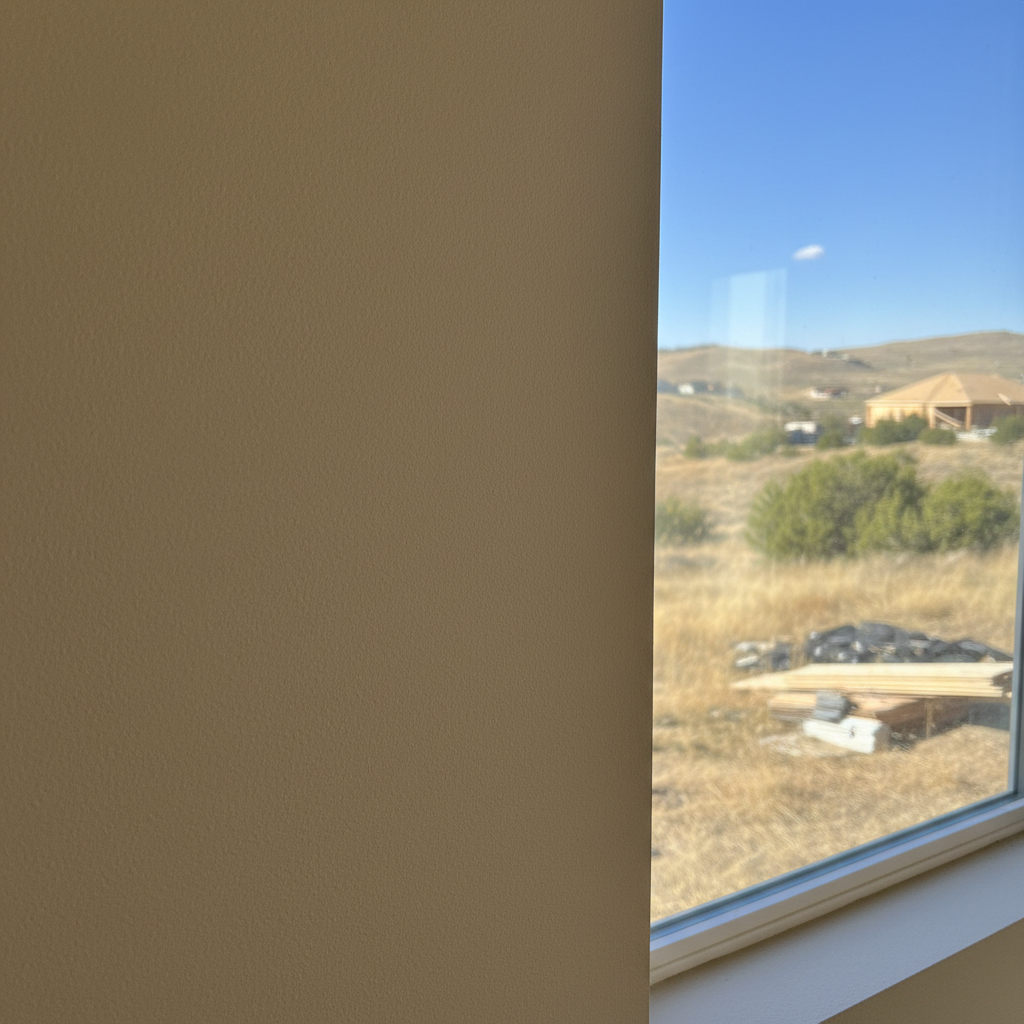
Getting Started with Drywall Finishing: The Basics
Okay, so you've got new drywall up, or maybe you've just patched a hole. Now comes the finishing part. This is really where things get interesting, transforming those rough sheets into a smooth surface, ready for paint. A lot of folks in South Jordan, especially in newer spots like Daybreak, tend to think drywall finishing is just, you know, slapping on some mud. But it's not. It's actually an art, and it definitely takes some practice.
Before you even think about opening a bucket of joint compound, you need the right tools. Seriously, don't skimp here. You'll want a good set of taping knives – a 6-inch, a 10-inch, and a 12-inch are a solid start – plus a mud pan. If you have inside or outside corners, grab some corner tools too. And, of course, a decent pole sander. Oh, and plenty of sandpaper; 120-grit is usually a good place to begin for smoothing. You'll also need joint compound, or "mud." There are a couple of types: setting-type (often called 'hot mud') for quick fills and repairs, and then there's ready-mix for general finishing. For most DIYers, ready-mix is probably your best bet; it's much more forgiving.
Taping and First Coats: Where Patience Pays Off
The very first step is taping the seams. This is super important if you want to prevent cracks later on. You spread a thin layer of mud over the seam, then you embed the paper tape right into it. After that, you skim another thin coat over the tape itself. Make sure you press out any air bubbles, and that the tape is completely covered. This isn't a race, believe me. Take your time. If you rush this part, you'll be fighting it through the next three coats.
Once the tape is dry – and I mean *completely* dry, which can easily take 24 hours depending on the humidity (especially during our spring thaws here, things stay damp) – you apply your second coat. This one should be wider than the first, feathering out the edges so the seam blends into the wall. You're building up the surface slowly, making it flatter. Don't try to make it perfect with one thick coat; that's just how you end up with humps and bumps.
The Finish Coats and Sanding: The Real Test
You'll usually need a third coat, sometimes even a fourth, especially for butt joints (those spots where the factory edge isn't tapered). Each coat after the first should be wider and thinner than the one before it. The whole idea is to create a totally seamless transition from the joint compound to the drywall. Hold your knife at a shallow angle and use light pressure. You're trying to take off extra mud, not dig into it.
Sanding, for most DIYers, is where the frustration really sets in. It's dusty, it's tiring, and it's surprisingly easy to either over-sand or under-sand. Please, use a good dust mask and eye protection – seriously, you do not want this stuff in your lungs or eyes. A shop vac with a HEPA filter attached to your pole sander can really help keep the dust down. Sand lightly, and check your work often. What you're looking for is a smooth surface, no ridges or depressions. Run your hand over it; your eyes can play tricks on you, you know?
When to Call a Pro (Like Western Drywall Company)
Now, here's the honest truth: drywall finishing looks simple, but getting it *right* is tough. For small patches, say a hole from moving furniture, you can probably handle it. You'll learn a lot, and it'll be good enough for a closet or a kid's room.
But if you're finishing an entire room, especially one with high ceilings or lots of natural light, that's a whole different ballgame. Every single imperfection will show. If you're building an addition or remodeling a large area, trying to save a buck by doing the finishing yourself often ends up costing more in frustration, time, and eventually, having a pro come fix it anyway. We've seen it countless times, believe me.
A professional finisher, like us at Western Drywall Company, has the experience, the specialized tools, and the eye for detail to get that perfectly smooth, level five finish. We can finish a room in a fraction of the time it would take a homeowner, and the quality will be like night and day. If you want a truly flawless surface that looks great under any lighting, especially in your main living areas, don't hesitate to give us a call. It's an investment that pays off every time you look at your walls.